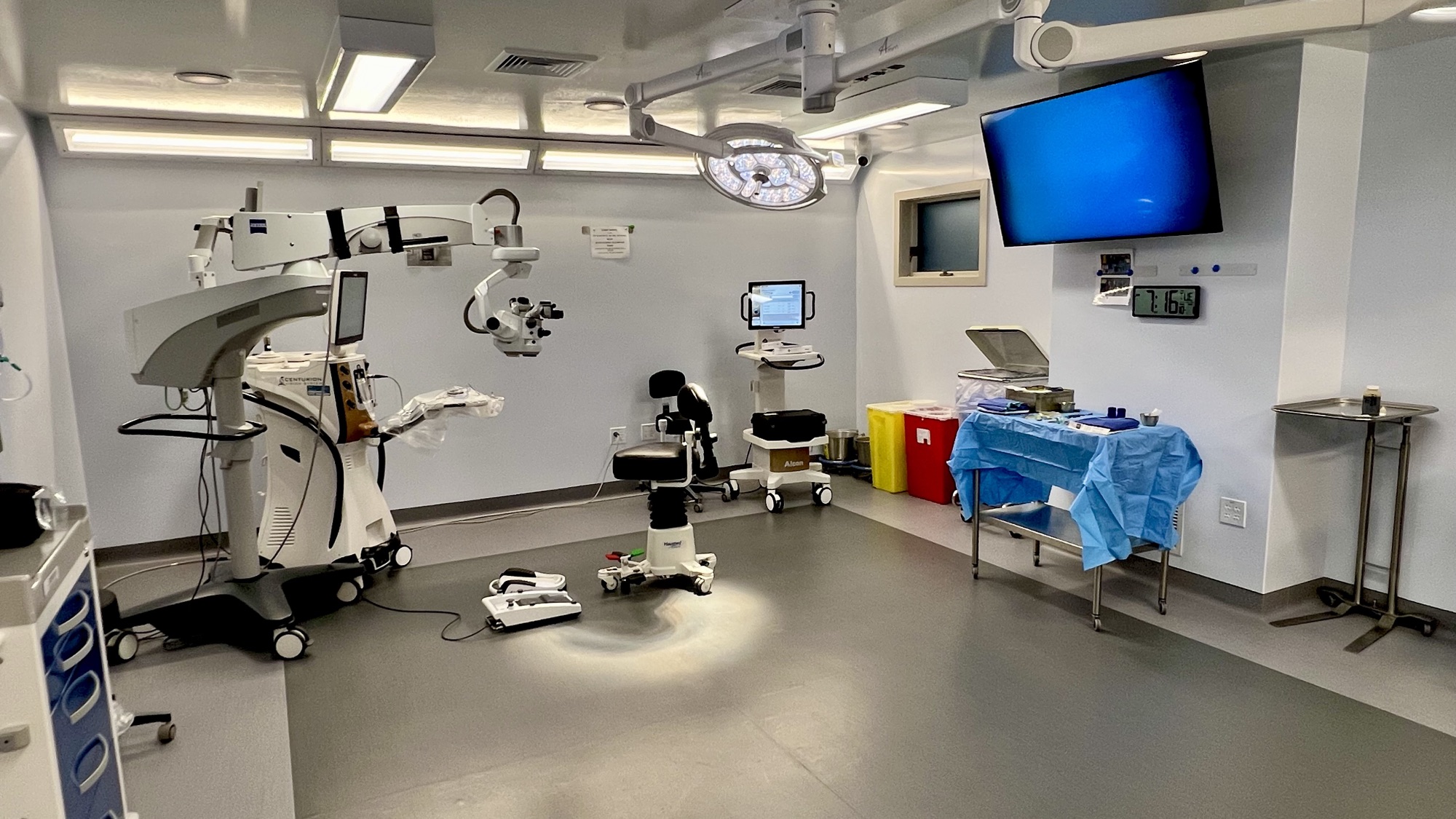
Clear vision, no future cataracts.
Refractive Lens Exchange — also called Clear Lens Exchange — replaces your natural lens with a premium implant. An excellent option after 45 for patients across Hanover, York, Gettysburg, and Carroll County, MD.
The same technology as cataract surgery — sooner.
Refractive Lens Exchange (RLE), also known as Clear Lens Exchange (CLE), replaces your eye's natural lens with an advanced artificial lens implant to reduce dependence on glasses and contact lenses. The procedure is nearly identical to modern cataract surgery, except the natural lens is removed before a significant cataract develops.
Because the natural lens is removed, you can never develop cataracts in the future. RLE is frequently the better long-term choice for patients over 50, who often achieve more stable outcomes than with LASIK while also correcting age-related loss of reading vision.
- Ideal for presbyopia and patients over 45
- Premium EDOF, toric, or multifocal lens implants
- Corrects near, far, and astigmatism
- Eliminates future cataract risk
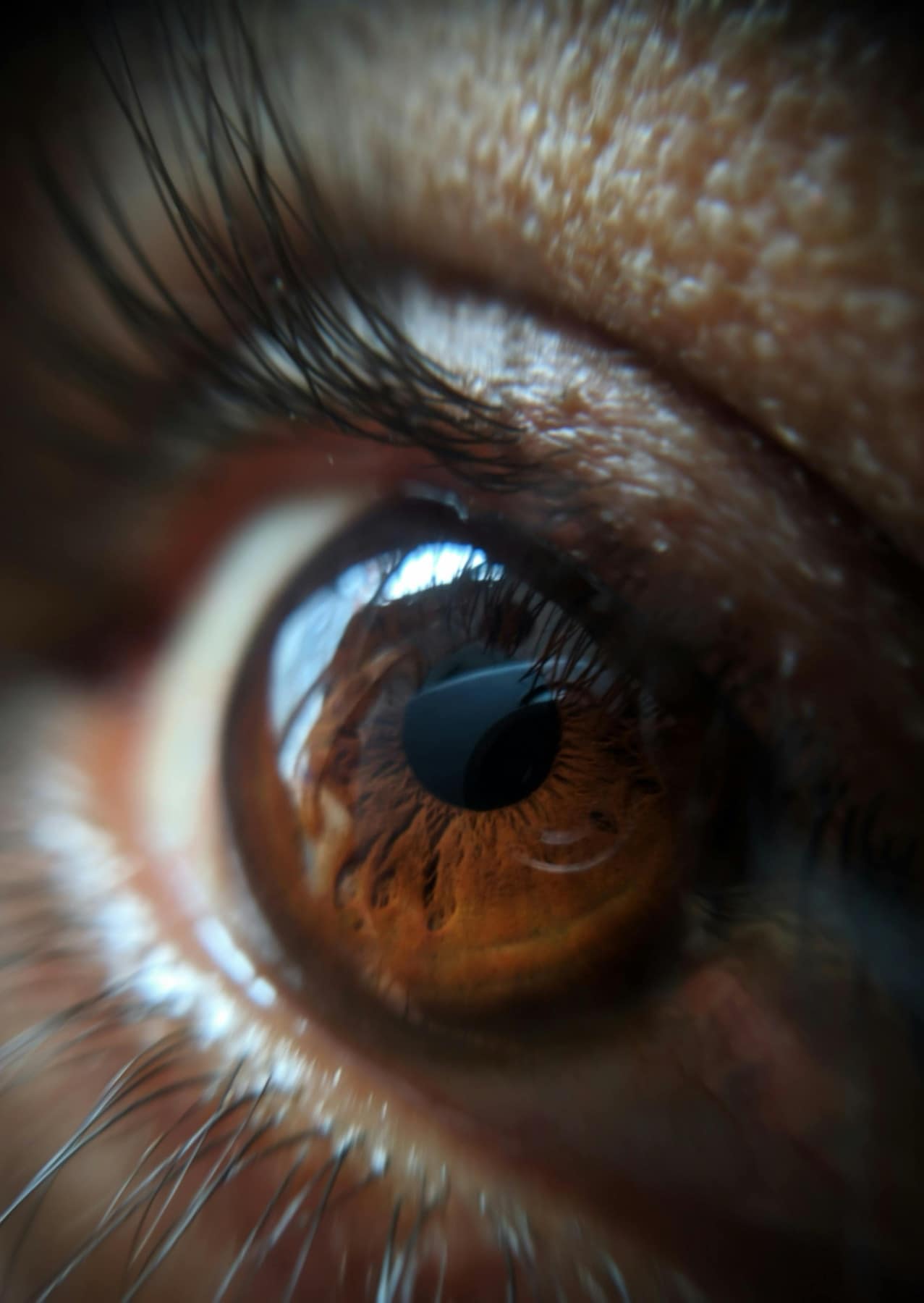
Refractive Lens Exchange questions, answered.
01What Is Refractive Lens Exchange (RLE)?
Refractive Lens Exchange (RLE), also known as Clear Lens Exchange (CLE), is a procedure that replaces the eye's natural lens with an advanced artificial lens implant to reduce dependence on glasses and contact lenses. The procedure is nearly identical to modern cataract surgery, except the natural lens is removed before a significant cataract develops.
02What Is Clear Lens Exchange (CLE)?
Clear Lens Exchange is another name for Refractive Lens Exchange. During the procedure, the eye's natural lens is replaced with an intraocular lens (IOL) designed to improve vision at distance, intermediate, and sometimes near ranges.
03What Is The Difference Between RLE And Cataract Surgery?
The procedure itself is essentially the same. The primary difference is that RLE is performed before a cataract significantly affects vision, while cataract surgery is performed after a cataract develops.
04What Is The Difference Between LASIK And RLE?
LASIK reshapes the cornea. RLE replaces the eye's natural lens.
LASIK is often an excellent choice for younger patients. RLE is frequently a better long-term solution for patients over age 50 because it can correct vision while eliminating the future need for cataract surgery.
05Am I Too Old For LASIK?
Many patients over age 50 discover they are better candidates for Refractive Lens Exchange than LASIK. RLE can correct distance vision while addressing age-related loss of reading vision and preventing future cataracts.
06Who Is A Good Candidate For RLE?
Ideal candidates often:
- Are over age 45
- Need reading glasses or bifocals
- Have high prescriptions
- Are not ideal LASIK candidates
- Want greater freedom from glasses
- Have early cataract changes
A comprehensive evaluation is necessary to determine candidacy.
07Why Do Patients Choose RLE Instead Of LASIK?
Many patients choose RLE because it:
- Corrects distance vision
- Improves intermediate vision
- May improve near vision
- Eliminates future cataracts
- Can treat higher prescriptions
- Provides a permanent lens solution
08Can RLE Eliminate Reading Glasses?
Many patients significantly reduce their dependence on reading glasses with advanced lens implants. Results depend on the lens selected and individual eye characteristics.
09What Lens Implant Is Used During RLE?
Several lens options are available, including:
- Monofocal lenses
- Toric lenses for astigmatism
- Extended Depth of Focus (EDOF) lenses
- Multifocal lenses
The best lens depends on your lifestyle and visual goals.
10What Is An EDOF Lens?
An Extended Depth of Focus (EDOF) lens extends clear vision from distance into the intermediate range used for:
- Computer work
- Dashboard viewing
- Shopping
- Cooking
- Dining
- Looking in mirrors
- Playing cards
- Social activities
Many patients still require reading glasses for very small print.
11What Is A Multifocal Lens?
Multifocal lenses are designed to provide vision at multiple distances and may significantly reduce dependence on glasses for distance, intermediate, and near tasks.
12Which Is Better: EDOF Or Multifocal Lenses?
Neither lens is universally better.
EDOF lenses often provide excellent distance and intermediate vision with fewer nighttime visual symptoms.
Multifocal lenses may provide greater near vision but may increase halos and glare in some patients.
The ideal lens depends on your lifestyle and visual priorities.
13Can RLE Correct Astigmatism?
Yes. Astigmatism can often be corrected during RLE using toric lens implants and advanced surgical planning.
14Is RLE Permanent?
Yes. Once the natural lens is removed, it cannot grow back. The artificial lens implant remains in place permanently.
15Will I Ever Develop Cataracts After RLE?
No. Because the natural lens is removed during RLE, cataracts cannot develop later in life. This is one of the major advantages of the procedure.
16Is RLE Painful?
Most patients experience little or no discomfort. Numbing eye drops and relaxation medication are commonly used during the procedure.
17How Long Does RLE Take?
The procedure typically takes approximately 10 to 20 minutes per eye.
18Is RLE Safe?
Modern lens replacement surgery is one of the most commonly performed and successful procedures in ophthalmology. Millions of lens procedures are performed worldwide each year.
19How Long Is Recovery After RLE?
Many patients notice visual improvement within days. Most normal activities can be resumed quickly, although complete healing continues for several weeks.
20How Soon Can I Drive After RLE?
Many patients return to driving within a few days once vision reaches legal driving standards and their surgeon approves.
21Can Both Eyes Be Done At The Same Time?
Most surgeons perform one eye at a time for maximum safety and visual accuracy. The second eye is usually treated days or weeks later.
22Is RLE Better Than Cataract Surgery?
RLE and cataract surgery are essentially the same procedure. The difference is timing. RLE allows patients to enjoy the benefits of advanced lens technology before a cataract significantly affects vision.
23Can RLE Treat Very High Nearsightedness?
Yes. RLE is often an excellent option for patients with high levels of nearsightedness who may not qualify for LASIK.
24Can RLE Treat Farsightedness?
Yes. Many highly farsighted patients achieve excellent outcomes with lens replacement surgery.
25What If I Have Early Cataracts?
Patients with early cataracts are often excellent candidates for RLE because the procedure simultaneously improves vision and prevents future cataract progression.
26What Happens During RLE Surgery?
During surgery:
- A tiny incision is made.
- The natural lens is removed.
- A customized lens implant is inserted.
- The lens unfolds into position.
- Most incisions self-seal without stitches.
27Why Is RLE Becoming More Popular?
Patients increasingly choose RLE because it offers:
- Permanent vision correction
- Reduced dependence on glasses
- Cataract prevention
- Advanced lens technology
- Excellent long-term visual outcomes
28How Much Does Refractive Lens Exchange Cost?
The cost varies depending on the lens technology selected and individual visual goals. A personalized consultation is necessary to determine the best treatment plan and associated costs.
29Is RLE Covered By Insurance?
When performed primarily for refractive purposes, RLE is generally not covered by insurance. Once cataracts become visually significant, insurance and Medicare may cover standard cataract surgery benefits.
30What Is The Best Vision Correction Procedure After Age 50?
For many patients over age 50, Refractive Lens Exchange provides advantages that LASIK cannot, including correction of presbyopia, reduction of dependence on reading glasses, and elimination of future cataracts.
31Why Choose May Eye Care Center For Refractive Lens Exchange?
At May Eye Care Center, we perform comprehensive evaluations to determine whether LASIK, PRK, EVO ICL, cataract surgery, or Refractive Lens Exchange is the best solution for your vision. We offer advanced lens technologies including EDOF, toric, and multifocal lens implants to help patients achieve their visual goals while reducing dependence on glasses.
Ready to see
the world clearly?
Schedule a consultation with Dr. May today. Our team walks you through every step — from your first exam to your clearest day yet.
Contact the practice
Hanover, PA 17331